
Bahuang Jiushi · Culture & everyday life
Interested in a Watch? Confirm the Specifications Before Choosing
· Bahuang Jiushi · English
Use the Kilfor Watch as a specific enquiry reference: separate visual preference from case size, strap, movement, use conditions and service information.
After a watch catches your eye, separate the design you like from the information you need for everyday use. Save the exact product link, then ask about case dimensions, the strap and fastening, movement and operating instructions, permitted use conditions, and after-sales arrangements. A product photograph can help you choose a design; it cannot establish physical fit, timekeeping performance or water resistance on its own.
This worksheet uses the publicly listed Kilfor Watch as a specific enquiry reference. It is a way to prepare questions, not a hands-on review. No wearing, timing, water-resistance or durability test was performed, and cultural symbolism is not treated as a practical benefit.
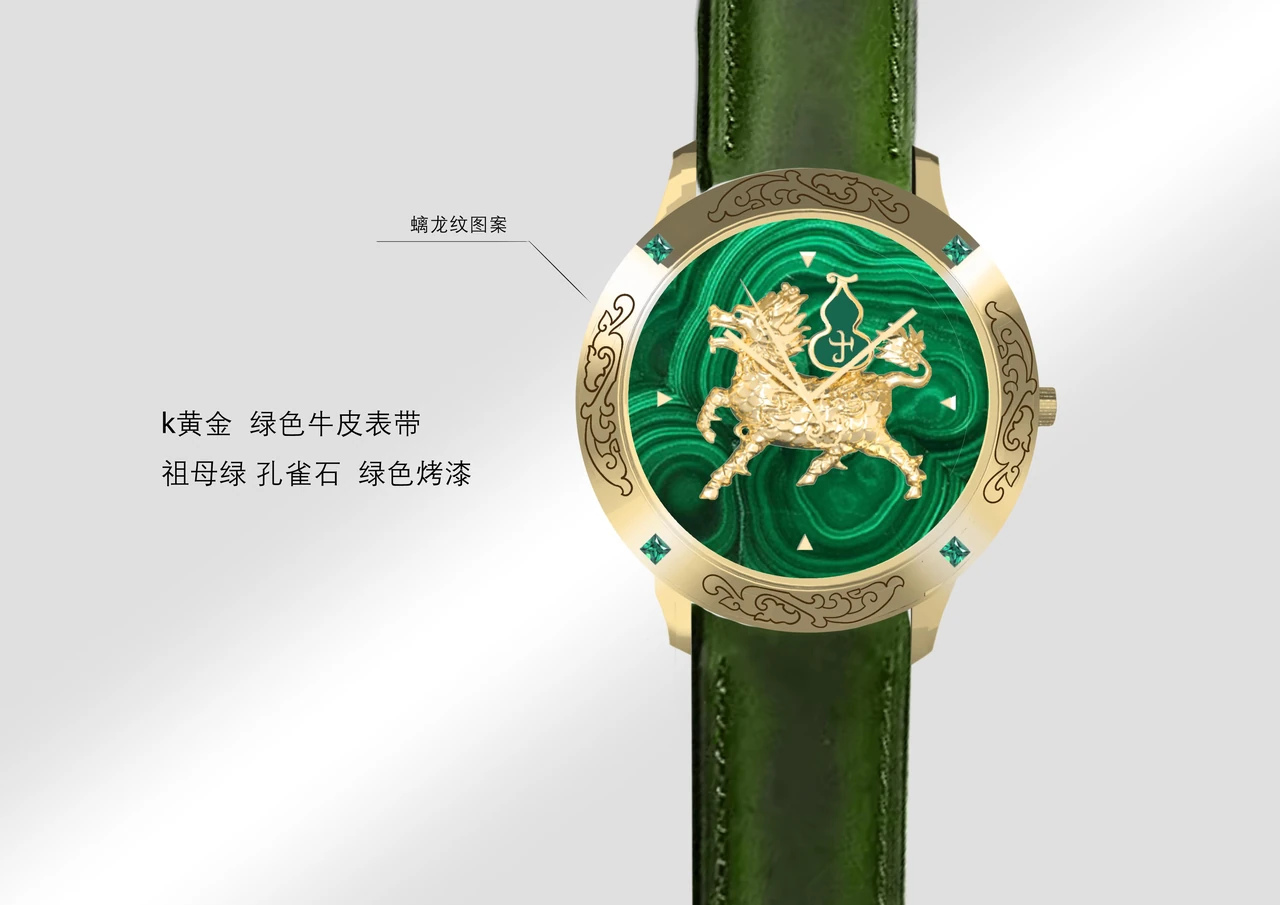
Official product image: Kilfor Watch. Look at the relationship between the dial, case and strap, then list the specifications that the image cannot answer. Visual proportions do not provide actual measurements, and objects shown in a photograph should not automatically be treated as included items.
Start with your intended use
Are you considering an everyday timepiece, an occasional accessory, or a gift for someone with particular preferences? Each purpose may call for different information. Write one sentence describing this purchase instead of trying to decide for every possible occasion. Liking a story or motif does not remove the practical questions.
For example, you might write, “I would like to wear it on workdays and need to understand how it may sit beside my usual shirt cuff,” or, “This is a gift, and I need to confirm the recipient's preferences for the strap and dial.” These are personal requirements, not evidence that the watch meets them. A demographic label in a product name also does not establish suitability for an individual.
Separate observations from questions
In one column, record only what you can see or like in the official photograph: the dial area, case outline, or relationship between the strap and overall appearance. In another, list what the photograph cannot tell you. This keeps the design preference useful without treating a particular camera angle as a dimensioned drawing or instruction manual.
- Case and fit: ask for the actual case dimensions, thickness and measurement basis. Explain the intended use when comparing it with a cuff instead of estimating dimensions from the image.
- Strap and fastening: ask about the stated material, usable length range, fastening method, and whether adjustment is permitted and how it should be performed. Do not improvise bending or disassembly.
- Movement and operation: request the movement type, normal operating and adjustment instructions, and maintenance information that applies to this particular item.
- Use conditions: if contact with water or a particular activity matters, ask for the explicit conditions and restrictions. Do not infer water resistance from appearance when supporting information is missing.
- Included items and service: confirm the actual supplied items, documentation, applicable after-sales arrangements and purchase records to retain.
At the time of this check, the public product description primarily presents the design story rather than this complete set of technical specifications. Missing public detail does not prove that a feature is absent, nor does it mean that a familiar standard automatically applies. Obtain a specific answer before deciding whether the item suits your intended use.
A fictional enquiry example
The following is an original exercise, not an order or a customer-service reply. Suppose Lin likes the overall appearance and wants to wear the watch with a shirt. Lin has neither confirmed the dimensions nor tried the item on, so “it will fit my cuff” would be premature. The next step is a defined question.
An enquiry could read: “I am looking at the Kilfor Watch, product reference 18KJ-QIFUBIAO-LV-01. I am considering it for everyday wear with shirts. Please provide the case dimensions and thickness, usable strap length and fastening details, and the movement and operating documentation. Please also identify any applicable use conditions or maintenance instructions.”
After a reply, keep each answer beside that product reference. If only the dimensions are answered, leave movement and operation marked as unanswered. One reply is not automatically a complete confirmation. If the supplied document refers to a different item, check the identity before using it, even when the photographs look similar.
Give the story and the practical decision their own place
The product page's Qifu story can help explain its design expression. You may include the item in your shortlist because you enjoy that expression, while still relying on confirmed dimensions, operating information and service terms for the purchasing decision. Cultural wishes should not be treated as guarantees of health, career, wealth or other real-world outcomes.
A photograph is also not a material identification or performance test. If documentation matters to you, name the question and the purpose of asking it. Do not infer material, certification or performance from color, reflections or letters in a product reference. This article supplies none of those unverified conclusions.
Contact the shop with a short, specific list
Keep the final list concise: the product link, intended use, confirmed details and remaining questions. You do not need identity documents, payment records or unrelated private information merely to ask about dimensions. Before deciding, the purchase checklist can help with separate currency and delivery questions. Read the current returns and refund policy as well; do not assume that trying on or adjusting an item will necessarily meet its conditions.
Use the official Bahuang Jiushi contact page. The public email is [email protected] and the telephone number is +65 89657294. Include the exact product link so the response concerns the same item. When information remains missing, keep the question open rather than letting a photograph stand in for an answer.