
Bahuang Jiushi · Culture & everyday life
A Necklace or a Watch as a Gift? Start With the Recipient’s Routine
· Bahuang Jiushi · English
Compare the official Top Fortune Stick Necklace and Kilfor Watch images alongside known wearing habits, design preferences and unanswered product questions.
When choosing between a necklace and a watch as a commemorative gift, begin with the recipient's expressed wearing habits, then compare the designs and list the product questions that could change your decision. A symbolic meaning alone is not a reason to decide for someone else. If their preference is unknown, keeping two candidates and asking first is a useful outcome.
This comparison uses two real catalogue items: the Top Fortune Stick Necklace and the Kilfor Watch. Their official images retain the original product appearance. They identify the designs; they are not a same-scale comparison or a try-on result. The watch's men's designation does not establish an individual preference, and this exercise does not assign a gift category by gender.
Start with what the recipient uses
Separate what you know from what you assume. Does the recipient often wear necklaces? Do they like wearing a watch? Have they expressly said that they dislike a particular type of accessory? Seeing an item worn once does not establish a lasting habit.
Make three short columns: known preference, my interpretation, and question still open. “They said they like elongated pendants” has a stated basis. “I think a green dial would suit them” is the giver's interpretation. “Do they already have a watch they want to keep wearing?” may remain unanswered. Do not collect unrelated private information to complete the exercise.
Necklace candidate: a design worn near the neckline
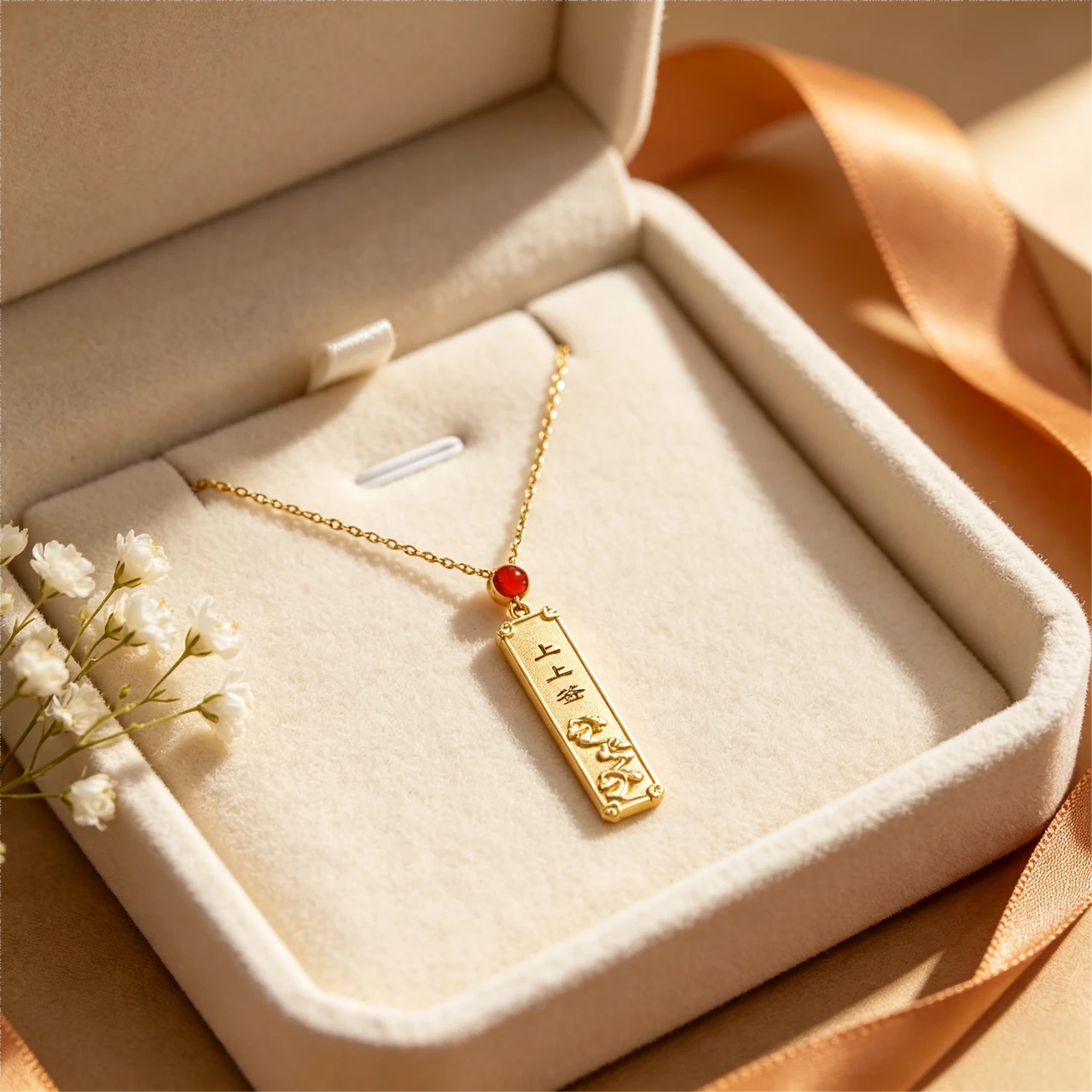
Image one: the official Top Fortune Stick Necklace product image. Use it to identify the design. Its displayed size does not establish physical dimensions or where it would sit when worn.
If the recipient has expressed an interest in necklaces, the elongated outline and cloud-pattern details provide specific design points to discuss. The official description refers to auspicious clouds and a fortune-stick form. Here these are cultural design references, not predictions of career, health or financial outcomes.
Before selecting the item, clarify its chain length, pendant dimensions, connection arrangement and current included components. Liking a shape does not settle whether its specifications suit the intended wearer. A product photograph does not establish weight, feel or its proportions against a particular outfit.
Watch candidate: an item for someone who likes wearing a watch
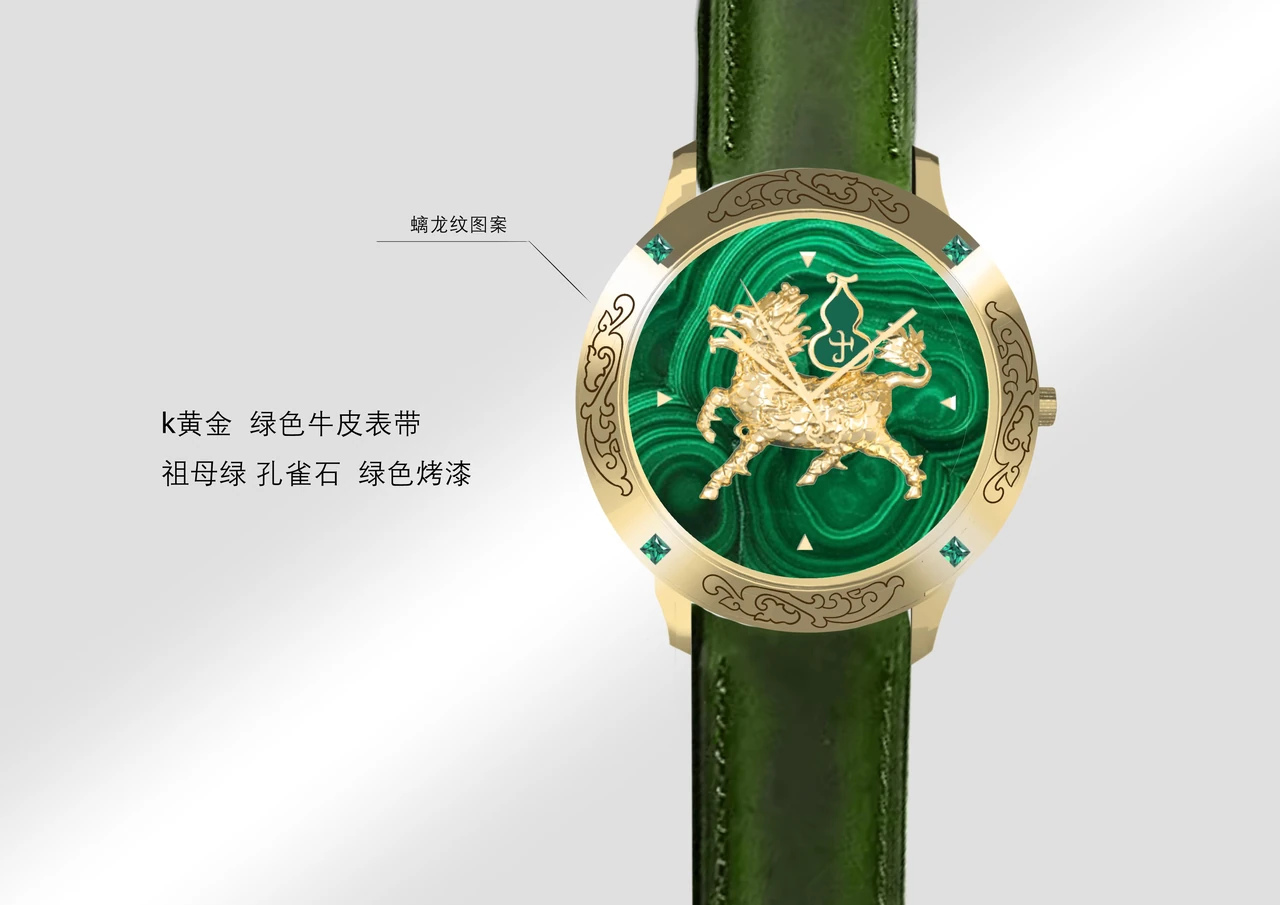
Image two: the official Kilfor Watch product image. Discuss the visible design, but do not compare its physical size with the necklace image above; the photographs are not displayed to a shared scale.
First establish whether the recipient wants to wear something on their wrist. Then consider the green dial and decorative details visible in this image. Enjoying a design and wanting to use it regularly are separate questions. If they already have a favourite watch, do not assume that a gift will replace it.
Questions may include the case dimensions, strap length and adjustment method, and the specific use instructions the recipient needs. Do not infer missing technical specifications from a photograph. This article does not verify a movement type, water-resistance rating, accuracy or test performance.
Compare both candidates with the same decision card
- Known routine: which category does the recipient already use, and what supports that observation? Keep unknowns marked as unknown.
- Design preference: which exact outline or detail interests you? Distinguish your preference from the recipient's confirmed view.
- Specification questions: identify the two most useful unanswered questions for each candidate and how the answers would affect the choice.
- Existing items: would the gift add something the recipient wants, or might they prefer not to own another item of that type?
- Reason to wait: if an essential preference or specification is unresolved, keep the candidate open instead of forcing a winner.
The product pages may display prices in different currencies. If budget affects the decision, check each current amount, currency and applicable charges on the actual page and before checkout. This article does not convert currencies or rank value from two displayed numbers.
Two fictional choices
In the first original example, a giver knows that a friend regularly wears necklaces and has expressed a liking for a clear, elongated motif. The giver shortlists the Top Fortune Stick Necklace and asks about chain length and pendant dimensions. That narrows the category; it does not establish suitability or constitute a purchase.
In the second example, a giver likes the Kilfor dial but does not know whether the recipient wears a watch. The giver keeps the official image and product link, then clarifies that preference. If the recipient does not want another watch, its symbolic theme need not override that answer. These are fictional decision exercises, not customer feedback or merchant recommendations based on a fitting.
Once a candidate is chosen, the personal gift-card exercise can help express the occasion in your own words. Send the exact product link, known preference and most important specification questions through Bahuang Jiushi's official contact information. Stock, packaging, delivery and service arrangements require the current applicable information and actual response; none is guaranteed here.