
Bahuang Jiushi · Culture & everyday life
Choosing Jewellery for Several Recipients: Map Items Before Adding Quantities
· Bahuang Jiushi · English
Use an official necklace image and a fictional three-recipient plan to separate gift choices, intended quantities and shop confirmation.
When choosing separate jewellery gifts for several people, record a proposed item and quantity for each recipient before combining quantities for an enquiry. A plan to buy three gifts is not confirmation that three units of a particular product are available. Keep selection, quantity, availability and an actual order as separate states, then confirm the details that affect the next step.
Begin with an identifiable design
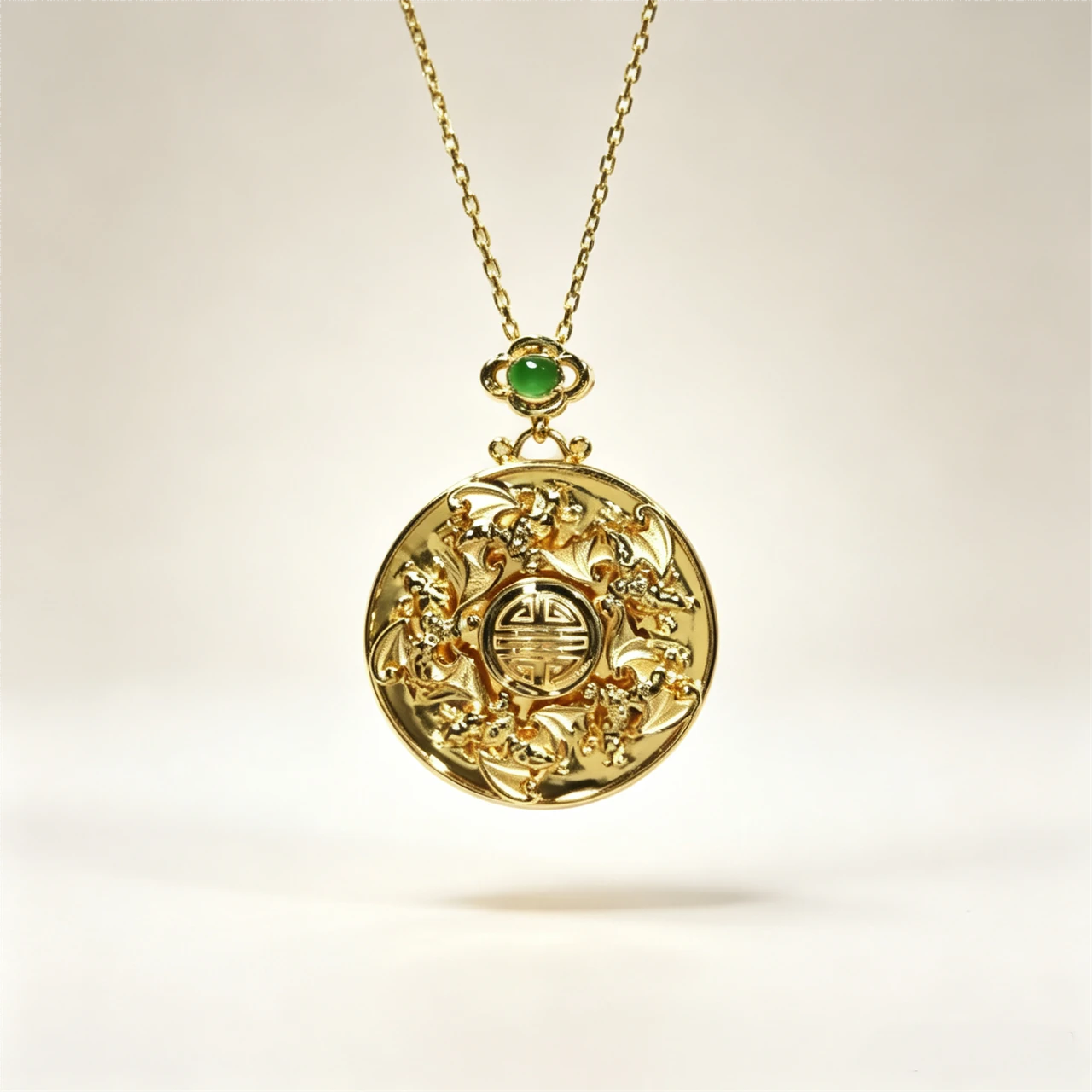
Official product image: Five Blessings Life Necklace. The image identifies the design discussed here. It does not establish available quantity, authenticate material, provide actual dimensions or demonstrate how it will look on every recipient.
If you like this circular design, save its exact product link in your gift notes and consider each person's known preferences separately. Liking the same design can be a reason to consider it. Not knowing whether someone wears necklaces remains an open question; buying for several people does not make the same choice suitable for all of them.
This guide uses one real product to explain quantity mapping. Browse the product catalogue for other choices. Do not let one image stand for different products that have not been selected, or treat the wishes suggested by a product name as a promise about health, fortune or other outcomes.
Give each recipient a separate row
Simple private labels such as A, B and C are enough for the initial selection record. You do not need to provide every person's name, telephone number and address in a first product enquiry. Keep these fields for each row:
- Recipient label: distinguish the intended person without using unnecessary personal details.
- Proposed item: exact name, product link and any options requiring confirmation; leave undecided choices open.
- Intended quantity: how many items are proposed for this person, without counting pictured components or background objects as separate products.
- Selection basis: known design preferences or habits, separated from your own assumptions.
- Open questions: product details, choices or recipient preferences still needing clarification.
- Current stage: being discussed, selected for enquiry, answered by the shop or actually ordered; avoid one general completion tick.
This record answers which proposed item is intended for which person. If several people are contributing to one gift, the shared-gift responsibility guide handles who orders and gathers replies. Several donors for one gift and several recipients for separate gifts are different arrangements; do not combine their counts.
Check a fictional three-recipient plan
Imagine one giver preparing a separate gift for A, B and C. A and B each have one Five Blessings Life Necklace provisionally selected, while C's product category is undecided. These people and arrangements are an original exercise, not a customer order or a statement about current stock.
The rows can say “A: Five Blessings Life Necklace, intended quantity one,” “B: the same product, intended quantity one,” and “C: item undecided.” Grouping the selected product gives the shop a specific question: “I am considering two of this item; please confirm current availability and any options.” It does not justify asking whether three units can be dispatched together.
The overall plan contains three gifts. The selected same-product intention is one plus one, or two units, with one gift still undecided. These are planning figures, not a shopping-cart total or a confirmed order. Before the shop replies, the two units should not be described as reserved, paid for or scheduled for dispatch.
If C later selects the same item, update the intended quantity to three and check whether the shop's response covers that revised request. A reply about two units does not automatically cover the additional one. Keep the earlier response and the new question together instead of changing only the total.
Combine quantities without losing the recipient rows
An enquiry can group the same product into one quantity while your private notes retain the individual rows. If one person's choice changes, those rows show how the total needs to change. A possible single order is not a reason to reduce all the choices and unresolved questions to “three gifts.”
When a reply arrives, note exactly what it answers: the product, quantity, options or another arrangement. Confirmation about available quantity does not necessarily answer how each gift is packaged or whether different destinations can be handled. Keep unanswered questions open rather than treating one positive response as completion of the whole plan.
Ask about presentation and delivery separately
If you would like individual packaging, describe that preference and ask whether it is available and under what conditions. The packaging-inclusions guide separates the product, protective packaging and additional services. A clear gift count does not establish that every unit includes a particular box or card, or that buying several units automatically earns a discount.
Explain whether you intend to receive everything yourself and hand gifts over separately, or would like to ask about separate destinations. This article does not confirm a multi-address order or split-delivery service. Ask through the official contact options on this page, then provide necessary details through the confirmed process. Do not post private recipient addresses in public comments or selection examples.
Return to the actual conditions before ordering
Check the product link, selected options, confirmed quantity, currency, current total and remaining questions against the same arrangement. An old price screenshot or availability response from another enquiry is not a substitute for that check. Read the published refund policy for after-sales terms and ask the shop about the relevant details without expanding or narrowing the policy yourself.
A clear first enquiry might say: “I have provisionally selected one of this item for each of two recipients, so my current intention is two units. Please confirm availability and any options I need to choose. Packaging and receiving arrangements are separate questions, and I have not placed an order.” Naming the product, quantity and stage helps keep the reply tied to the decision you are actually making.